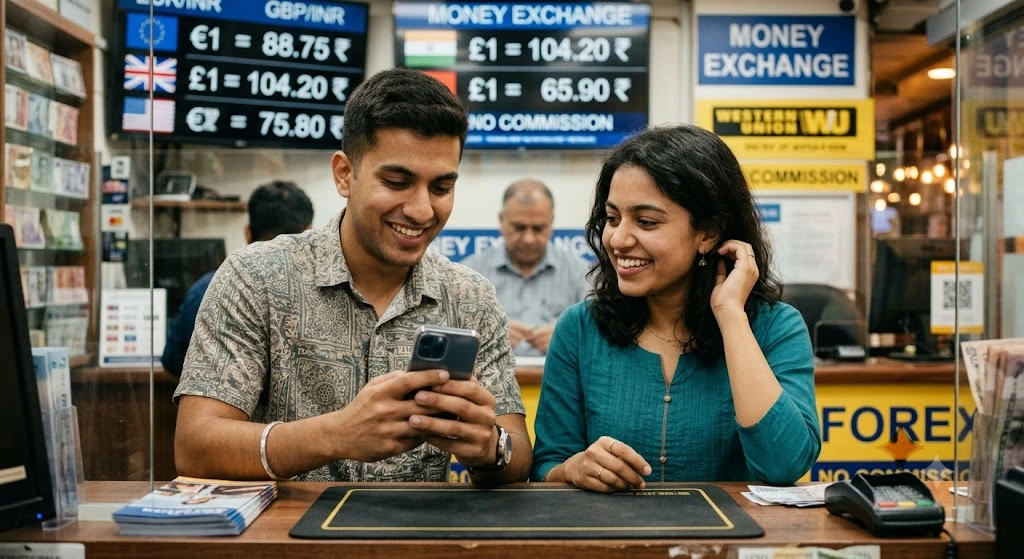
For decades, the global remittance industry has been dominated by a singular, aging model: the physical local branch and the traditional banking network. Individuals needing to send funds across borders have historically been forced to accept a system characterized by opaque pricing, sluggish processing times, and inconvenient physical infrastructure. Whether sending support to family members abroad or settling international business invoices, the process has always felt inherently unbalanced, favoring the financial institution over the consumer. However, the global financial landscape is currently undergoing a radical and necessary transformation. The emergence of specialized digital platforms is challenging the status quo, offering a sophisticated alternative that leverages community matching rather than centralized institutional routing.
By replacing the archaic correspondent banking system with an innovative peer-to-peer (P2P) architecture, modern financial technology is redefining how capital is managed internationally. The transition from physical counters to digital ecosystems represents more than just a technological upgrade; it is a fundamental shift toward financial equity and user autonomy. This comprehensive analysis serves as a detailed money transfer comparison, breaking down the operational mechanics, economic efficiencies, and underlying security protocols of decentralized digital marketplaces against traditional physical agencies. Understanding these underlying mechanisms is crucial for anyone looking to optimize their international transactions, ensuring that hard-earned capital reaches its intended destination without being diluted by systemic inefficiencies and unexplainable banking deductions.
To fully appreciate the innovation brought forth by digital matching platforms, it is essential to deeply deconstruct the traditional remittance model. Physical local branches, whether they belong to massive global wire transfer conglomerates or standard retail banks, operate on a highly burdensome overhead business structure. These institutions must maintain expensive physical real estate in prime locations, employ thousands of on-site staff, manage the complex logistics of physical cash transit, and secure their premises against physical theft. Inevitably, these massive operational costs are not absorbed by the institutions; they are passed directly down to the consumer through inflated pricing models.
Furthermore, the technological backbone of these institutions is surprisingly outdated. When traditional banks process international transactions, they typically rely on the SWIFT network (Society for Worldwide Interbank Financial Telecommunication). It is important to clarify that SWIFT is not a financial institution that moves money, but rather a messaging system that banks use to securely transmit information and instructions. Because banks rarely have direct bilateral relationships with every other bank globally, a single international transfer must often "hop" between multiple intermediary or correspondent banks before reaching its final destination. Each intermediary bank in this chain extracts a toll for its service. This creates a deeply frustrating scenario where the sender cannot accurately predict the exact amount that will arrive in the receiver's account.
The most pervasive and financially damaging issue, however, lies in exchange rate markups. Traditional institutions rarely offer the mid-market rate—the true interbank rate found on global financial indices. Instead, they apply a heavy, often undisclosed margin to the exchange rate. This means that even if a bank advertises "zero commission fees," they are silently extracting profits through a highly unfavorable conversion rate. It is absolutely vital for consumers to learn how to spot and avoid hidden bank fees on global money transfers in order to preserve the true value of the remitted capital. The actual cost of a transfer is rarely the upfront "flat fee" advertised on the agency window; it is buried deep within these exchange rate spreads.
When conducting a thorough analysis of this financial landscape, the contrast between a digital marketplace and a bank regarding the battle of hidden transfer fees becomes starkly evident. Physical agencies capitalize heavily on the information asymmetry between the colossal institution and the everyday individual. The digital transition, therefore, is not merely about the convenience of using a smartphone; it is about permanently dismantling this unfair pricing structure.
The structural antidote to the inefficiencies of the SWIFT network and physical agencies is the Peer-to-Peer (P2P) matching marketplace. Platforms operating on this model fundamentally alter the trajectory of capital. The core principle driving this business model is elegant, highly efficient, and disruptive: the money never actually crosses international borders.
Instead of wiring funds through an international labyrinth of correspondent banks, the platform utilizes a sophisticated, high-speed matching engine. The ecosystem manages secure multi-currency wallets (supporting currencies such as EUR, USD, GBP, and CAD) belonging strictly to its registered users. When a transaction is initiated, the platform's algorithm pairs an individual looking to exchange Currency A for Currency B with another individual looking to exchange Currency B for Currency A. The actual exchange of value occurs entirely within the platform's secure, closed-loop environment. The funds simply shift between the respective multi-currency wallets of the matched individuals on the platform's ledger.
Because the transaction represents a localized exchange of existing liquidity within the system, the platform can bypass international wire routing entirely. Local currency flows are subsequently handled completely off-platform via standard, domestic bank transfers or integrated local payment solutions. For example, if a user in Europe wishes to send funds to North America, their Euros are matched with someone needing Euros in Europe. The North American recipient is paid by the corresponding match using local North American funds. This localized clearing completely avoids cross-border taxation and intermediary friction.
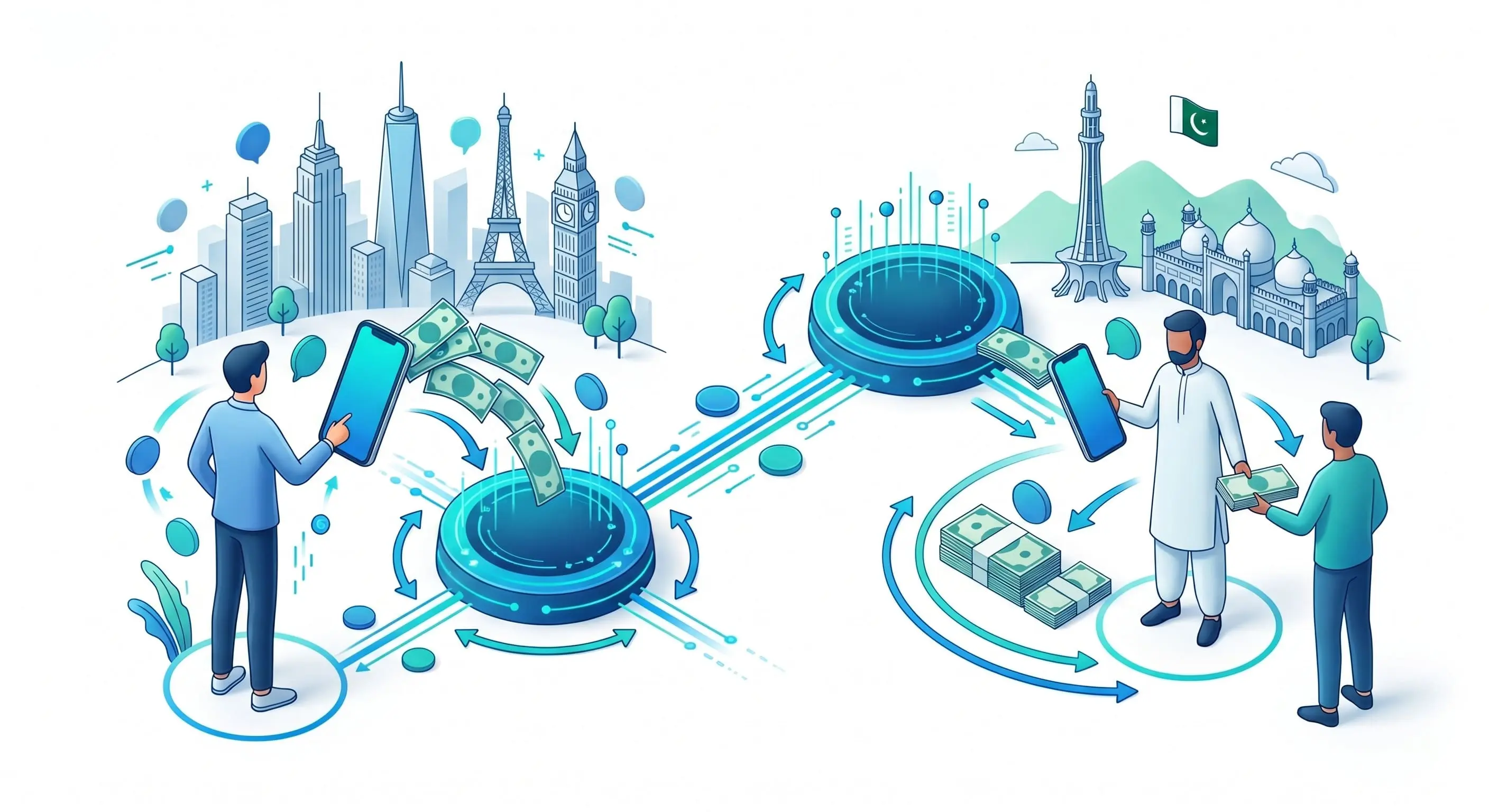
This localized, community-driven system allows the marketplace to offer something traditional banks simply will not: the real, mid-market interbank exchange rate. Since the platform does not need to purchase bulk currency on the open market or absorb the costs of intermediary banks, the users are granted direct access to wholesale market rates. This is accompanied only by minimal, entirely transparent fixed fees required to maintain the platform infrastructure. Understanding exactly why one should choose P2P for money transfers reveals how this system systematically dismantles the monopolistic pricing of the past. Furthermore, by locking in specific rates through mutual matching agreements, users are shielded from intra-day market volatility, making it substantially easier to grasp why exchange rates fluctuate and how to effectively beat the market over time.
Transitioning from a familiar physical agency—where an agent handles the paperwork—to a fully digital marketplace requires a brief understanding of the operational workflow. Fortunately, modern user interfaces are engineered to maximize transfer transparency and user autonomy, moving away from bureaucratic dependency toward streamlined digital empowerment.
Phase 1: Registration and Wallet Activation
The journey begins with the creation of a secure digital profile. Upon registration and identity verification, users gain immediate access to a multi-currency wallet environment. This environment acts as a strategic staging ground for funds. Individuals can pre-fund and maintain balances in EUR, USD, GBP, or CAD, allowing for long-term strategic planning and ensuring immediate availability when favorable exchange matching opportunities arise on the network.
Phase 2: Initiating the Swap and Finding a Match
When an international transaction is required, the user specifies the exact amount and the desired target currency. The platform's matching algorithm immediately begins scanning the global network for an opposing need of equal value. Once a perfect match is found, the terms are locked in precisely at the real mid-market exchange rate. Before any final commitment is made, the platform clearly displays the minimal fixed fee associated with the service. There are absolutely no surprises, no sudden percentage-based deductions, and no hidden margins applied retroactively.
Phase 3: Local Settlement and Off-Platform Clearing
Once matched and confirmed by both parties, the internal multi-currency wallet balances are updated instantaneously on the platform. The final step involves moving the localized currency to the intended recipient's actual bank account or local digital mobile money wallet. Because this final leg of the journey is treated as a standard, domestic transaction within the destination country, it clears incredibly fast. Unlike international wires that take days, domestic clearing is often processed within hours or even instantly, depending solely on the local domestic banking infrastructure.
Phase 4: The Mandatory Mutual Evaluation System
A highly unique and vital component of this specific P2P marketplace model is the post-transaction mutual evaluation. To guarantee total transparency and foster a self-regulating, highly respectful community, both parties involved in the match are required to evaluate the transaction upon completion. This peer-review mechanism builds a robust, public trust index for every participant. It heavily incentivizes promptness and reliability while effectively deterring any fraudulent or malicious behavior. This continuous accountability loop is a protective measure completely absent in the faceless interactions of traditional banking.
While the economic benefits and speed of bypassing traditional banking networks are undeniably profound, they must be underpinned by unassailable security protocols. A common, understandable hesitation when migrating from established physical banks to novel digital platforms is the perceived lack of safety. However, this is a misconception. Modern financial marketplaces are strictly bound by the exact same, and sometimes more rigorous, regulatory frameworks as traditional financial institutions.
Rigorous Regulatory Compliance and KYC
To operate legally across multiple jurisdictions and ensure maximum financial security, platforms implement uncompromising Know Your Customer (KYC) and Anti-Money Laundering (AML) protocols. KYC is a globally mandated process requiring all financial entities to unequivocally verify the identity of their users. This process typically involves submitting high-resolution government-issued identification, biometric facial recognition scans, and verified proof of address. By thoroughly verifying every single participant on the network, the platform entirely eliminates anonymity, creating a highly secure ecosystem where every multi-currency wallet is inextricably tied to a verified, legal identity.
Bank-Grade Technological Infrastructure
In the digital realm, data encryption and secure server architecture are of paramount importance. All financial data, including wallet balances, transaction histories, and personal identification details, are protected by end-to-end, bank-level encryption protocols. While the platform provides absolute systemic security, user vigilance remains critical. It is highly recommended that individuals familiarize themselves with the 5 crucial reflexes to protect online financial transactions, such as utilizing Two-Factor Authentication (2FA) and identifying sophisticated phishing attempts, to add an impenetrable layer of personal security to the platform's robust defenses.
The Protective Escrow Mechanism
During a P2P match, the platform acts as an impartial, automated escrow agent. When a match is initiated, the required funds are temporarily secured and locked within the platform's architecture. These funds are not released to the opposing wallet until both sides of the matching agreement have completely fulfilled their specific financial obligations. This strict escrow mechanism ensures that neither party can default on the exchange once committed, completely neutralizing counterparty risk. This emphasis on community solidarity, combined with rigorous identity verification and flawless escrow mechanics, creates an ecosystem built entirely on verifiable trust. For those interested in the deep systemic philosophy behind this approach, it is highly encouraged to explore the comprehensive manifesto detailing the core principles and vision driving this equitable financial model.
The sharp dichotomy between the outdated local physical branch and the modern digital P2P marketplace represents a fundamental paradigm shift in how global capital is managed, transferred, and protected by the individual. Traditional banking systems, heavily burdened by complex intermediary networks like SWIFT, excessive physical real estate overhead, and a highly profitable reliance on exchange rate manipulation, can no longer justify their exorbitant costs in an era of seamless digital connectivity.
By leveraging intelligent matching algorithms, secure multi-currency wallets, and hyper-efficient localized clearing, modern platforms successfully bypass physical borders and institutional roadblocks entirely. This structural evolution eradicates hidden fees, secures the mathematically accurate interbank exchange rate, and radically accelerates delivery times. Supported by rigorous KYC regulatory compliance, impenetrable escrow security, and an innovative mutual evaluation system, the P2P marketplace offers an environment that is not only economically superior but deeply secure and community-driven.
It is time to permanently stop subsidizing the massive inefficiencies of outdated banking models. The tools now exist to protect the true value of international remittances. Take the critical next step toward total financial efficiency and utilize the live interbank rate simulator on the platform today to calculate the exact, highly transparent value of your next global transfer.
Traditional international bank transfers relying on the outdated SWIFT network can easily take anywhere from 3 to 5 business days, heavily delayed by multiple intermediary banking checks, weekend closures, and varied international time zones. Conversely, P2P matching platforms execute the core currency exchange instantly within the platform's secure internal multi-currency wallets. The final delivery time therefore only depends on the local, domestic banking system of the recipient. Because domestic transfers are highly optimized globally, this final step is frequently completed within a few hours or even instantly.
Correct. The primary architectural advantage of a matching marketplace is the absolute elimination of hidden, percentage-based costs. Because the platform does not purchase bulk currency from the market or route money through expensive intermediary correspondent banks, it is perfectly positioned to offer the true, real-time mid-market interbank exchange rate. The only cost ever applied is a minimal, clearly stated fixed service fee. This fee is explicitly displayed prior to initiating any transaction, ensuring 100% transfer transparency and zero surprises.
Maximum security is achieved through a strict, multi-layered technological and regulatory approach. First, uncompromising KYC (Know Your Customer) identity verification ensures all users on the network are legally identified and screened. Second, the platform utilizes an automated escrow-style holding mechanism during the swap, meaning funds are cryptographically secured and only released when both parties' wallet criteria are perfectly met. Finally, a mandatory mutual evaluation system ensures post-transaction accountability, creating a highly trusted, self-regulating, and exceptionally secure community environment.

Our peer-to-peer currency exchange and money transfer platform is currently under development. We are preparing a solution that will allow you to exchange currencies with a seamless and secure experience.
To be among the first to know and not miss anything about the launch, join the club by subscribing to our newsletter.
Visuals disclosure : In the interest of transparency, please note that the images illustrating this article were created using artificial intelligence (AI) generation tools.
© CashSwap Club 2026 - All rights reserved
Designed with ❤️ in Paris • Made in France 🇫🇷
 French
  Spanish